Cats naturally tend to drink very little. This feature is linked to their evolutive history, but it requires more attention in their home life . Clean bowls, fresh water available and a feeding routine that can support their daily intake of fluids. This applies all year round, but becomes even more important during warmer months, when temperatures rise and risk of poor hydration increases.
Understanding how much a cat should drink means learning to observe their habits. Cats that only eat kibbles will need to drink more compared to those which eat wet food regularly. Age, weight, climate, lifestyle and health conditions can affect their intake as well.
A cat, on average, should drink about 45-60 ml of water per kilogram, considering both the water they drink, and the one included in foods.
According to Cornell Feline Health Center, a no-profit research center affiliated with Cornell University’s Faculty of Veterinary Medicine, a practical guideline is of 4 ounces of water for every 5 pounds of weight, equal to 118 ml for every 2.3 kg. This isn’t to be followed as a strict rule, but just as a useful benchmark.
A 4 kg cat’s recommended water intake could be around 180-240 ml of water each day, considering both water they drink, and water included in food.
The difference between dry and wet food is very important: kibbles have a limited moisture content, while wet food can ensure a much higher fluid intake. This is why mixed diet for cats is often the best choice that can contribute to keeping their nutrition varied and balanced.
Besides this general information, you should also consider the season you’re in, the individual characteristics of your cat and their lifestyle. In the hottest months, for example, their water requirement can increase, especially if the cat lives in particularly warm places, is particularly active or follows a mostly dry diet. Weight, physical condition and daily habit also matter. This is why you shouldn’t only observe how much water they drink, but consider the overall balance between water intake, nutrition and behavior.
Cats tend to drink little because of their ancestors: they were used to living in very arid environments and they obtained most of their water from their prey. This contributed to their natural low thirst drive, compared to other animals. Of course, while living at home, the situation is much different, and cats should integrate more liquids with the help of their diet and their water bowl.
This is why noticing that your cat is not drinking often doesn’t always indicate a problem. Some cats drink at night, or when we are not around. Others prefer freshly changed water, bigger bowls, or maybe different spots of the house.
However, if your cat is no longer drinking as before, or if you notice a change in their behavior, they urinate less or avoid food, there could be a problem. You shouldn’t wait too long: it’s better to ask the advice of a vet.
If your cat drinks very little but eats regularly, behaves normally, uses the litter box and doesn’t show signs of discomfort, this could mean that they are getting almost all the water they need through their food. This mostly happens when wet food is part of their diet.
On the contrary, a cat that is no longer drinking should be observed more carefully. If they’re avoiding their water bowls, look tired, eat less and don’t urinate often, you shouldn’t underestimate the situation. Even a sudden increase in thirst could indicate a change in their health condition.
The best way to understand is to observe. No single aspect should be misinterpreted, but a sudden change in their normal habits always deserves the opinion of a professional.
Knowing if your cat is dehydrated is not always simple, and it should never become a self-diagnosed issue. There are signs that could indicate a potential poor hydration and that deserve your attention. Here are some:
A physical check that is often done is the skin tent test: gently lift the skin between their shoulder blades or on their back, release it and see how much time it takes to go back. If your cat is well-hydrated, their skin will go back immediately. On the contrary, if it stays up, it could be a sign of dehydration. The test result shouldn’t be interpreted casually, because age, weight and individual conditions could affect their skin elasticity. If you think your cat is dehydrated, especially if it’s a senior cat, a kitten, has some medical problems or avoids food, contact your veterinarian for a correct evaluation.
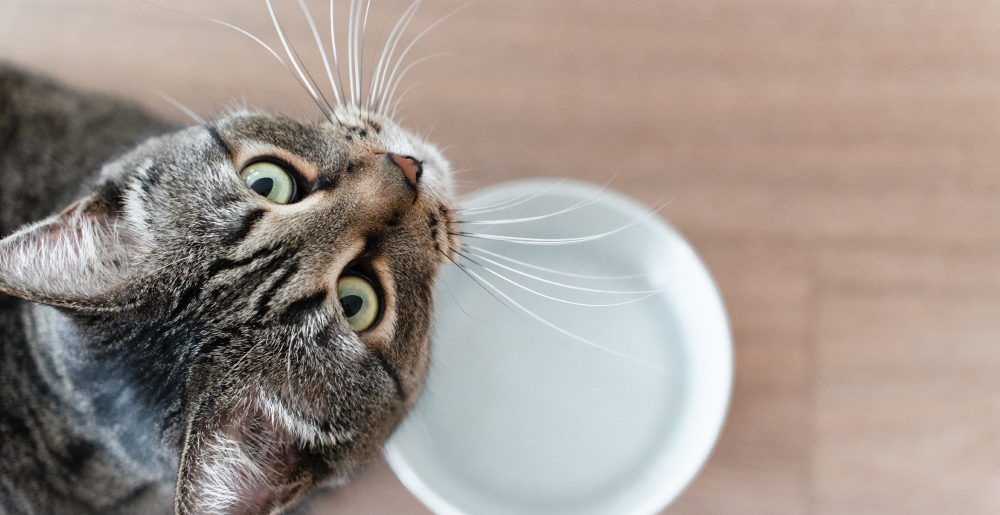
Encouraging your cat to drink more means making their water easy to find and keeping it always fresh and enjoyable. Their bowl position could influence their habits, even if this could seem just a detail. Some cats don’t love having their water near their food bowl, some avoid small bowls because their whiskers touch the edges. Other cats prefer quiet places, far from trafficked areas of the house and from their litter box.
Here are the most useful tips:
Water fountains can be useful for cats that are attracted to moving things or less attracted to the regular water bowl. They aren’t strictly necessary of course, but they could become a good help if your cat likes them. In this case as well, cleaning is fundamental: filters, tank and surfaces must be washed regularly.
Wet food can help increase the fluid intake of your cat’s diet, especially those that don’t drink much or the pickiest ones.
Choosing quality wet food means enriching their diet, changing textures and smells, and supporting a more complete hydration.
Choices should be made with balance, respecting their requirements, age, lifestyle and products’ guidelines.
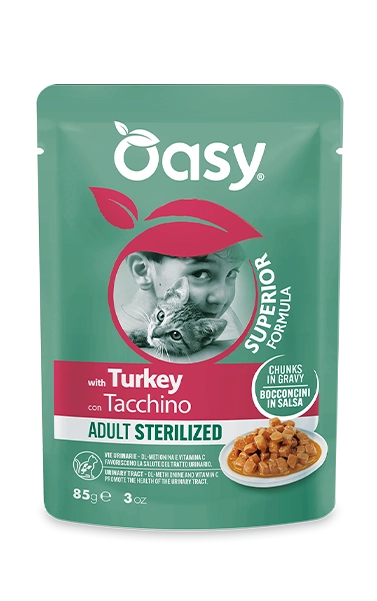
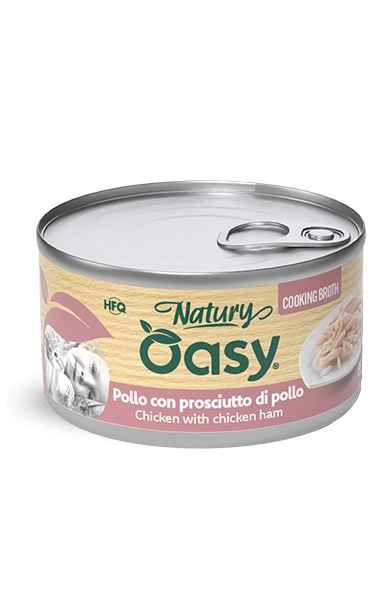
The Oasy Natury Cooking Broth range, delicious meat or fish fillets in their cooking broth, can add a new texture to your cat’s bowl and complete their daily nutrition. It’s a perfect idea to make their meals tastier and to support their wellbeing naturally.
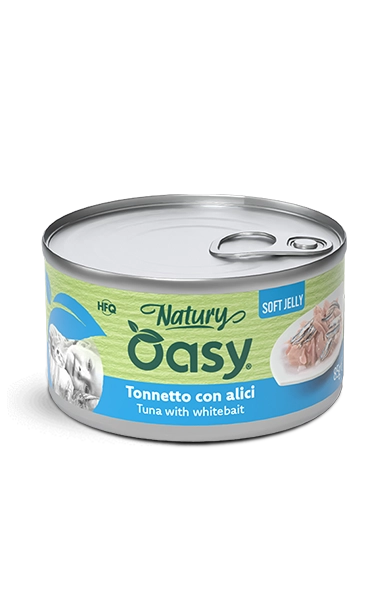
Oasy Natury Soft Jelly, tuna or chicken strips in a natural and soft jelly, combines the taste of selected ingredients with a soft and irresistible texture. It is ideal for enriching your cat’s daily routine and promoting fluid intake through diet. While Oasy More Love range, thanks to its refined taste combinations, can delight even the pickiest eaters, thanks to the best meat or fish cuts and the selected and fresh ingredients.
As always, any new change should be introduced gradually, observing your cat’s response and always keeping their water available. Love is nurtured every day through these small gestures: a clean bowl, carefully selected food and a routine that can support their wellbeing.
It’s important to see your veterinarian if your cat suddenly stops drinking, drinks much less than usual, refuses food or shows signs of discomfort (lethargy, dry gums, less urine, vomit, diarrhea, weight loss or visible changes in their use of the litter box).
Senior cats, kittens, cats with known medical conditions or that are undergoing treatments require even more attention. In these cases, each change in their drinking or eating habits should be monitored.
If you notice these signals, contact your vet providing precise information, such as the amount of water your cat drinks, how frequently they use the litter, their appetite and recent changes. It will make it easier to figure out the best course of action.
No, cats shouldn’t be left without water. The idea that they can go for days without drinking is not correct. Even though they naturally have a low thirst drive, they still need to obtain fluids every day. The dehydration symptoms can appear after the first 24 hours, while after 3 or 4 days with no water, the situation can become very serious.
A cat shouldn’t be without water for more than 24 hours. Therefore, they should always have some clean and fresh water available. If they don’t drink for a particularly long period, drink less than usual or show signs of discomfort such as apathy, lack of appetite, vomit, diarrhea or reduced urine, contact your vet immediately. It’s better not to wait, especially with kittens, senior cats, or cats with known medical conditions.
Cats don’t drink much because they have a natural low thirst drive, linked to their evolutionary history. If they eat plenty of wet food, they can obtain a part of their liquid through food. While if their diet is only made of dry food, providing them with water is more important, just like it is noticing any sudden change.
Wet food helps increase the fluids intake, but it can’t replace clean and fresh water which must always be available. It can support their routine, especially for those cats that drink less or are particularly fussy.
There isn’t just one valid answer. What’s important is that water should be fresh, clean and regularly changed. The choice between tap or filtered water depends on the quality of water in your area and from your cat’s preferences.







 websolute