Nutrition is crucial for senior cats. Find out about quantities, essential ingredients and Oasy’s tips for your senior cat, including sterilized cats.
As time passes, our cat can show small signs that indicate the
start of a new life stage, a
transition that gets
more visible when they exceed 10 - 12 years of age, entering the so called
super senior life stage.
Metabolism slows down,
digestion changes and some
nutrients become even more
important in supporting their daily energy. This is a moment when
diet can really make the difference, especially if we consider all that has been explained in our guides to
nutrition of kittens and
adult cats.
In this article, we will discover everything that we should keep in mind, which nutrients become more important with age and what we can do to keep our four-legged friend active and lively.
When is a cat considered “senior”?
A cat can be considered as senior starting from 10/12 years of age, even if it depends a lot on
genetics,
lifestyle and
health conditions.
After this threshold, metabolism becomes slower, muscle mass reduces and there are small changes in their behaviour and eating habits.
Cats’ life stages: from adult to senior
Transition towards a cat’s mature life stage starts from 7-8 years of age, when their organism starts showing the
first signs of old age.
Cats from 10/12 years of age are considered “senior”, while
from 14 years they enter the “geriatric” category. During these changes, their
energetic needs are reduced, and
the quality of ingredients is important to support kidneys, joints and digestion.
Signs of time: physical and behavioral changes
The
first signs of old age in senior cats include
increased sleepiness,
less play time,
variations in their appetite and
a less shiny coat.
With time, more subtle but equally important changes may occur: digestion and intestinal transit become slower, and they no longer tolerate meals that are too heavy. This results in drier stools or episodes of constipation.
Their weight may change too: in some cases, it increases due to slower metabolism and reduced physical activity. In others, especially when assimilation becomes less effective, it can decrease. These
are all natural changes, they are part of the aging process, but it is important to observe them carefully, because sudden or more visible variations may require a check with your vet.
Senior cat’s specific nutritional needs
Senior cats need
a diet rich in high quality proteins,
balanced in fat and supported by fibres and functional micronutrients, because as time passes, their body gradually changes and the organs involved in digestion and purification (liver and kidneys) become more sensitive. That’s why food needs to be digestible and offer the right amount of energy without being too heavy and provide targeted support for vital functions. In short, it
should help your cat enter this phase gently and consistently.
High quality proteins
Cats are carnivorous animals, and once they have reached the so called “super senior” life stage, they
still need proteins, better if quality ones!
Animal protein represents the ingredient that helps maintain muscular mass, that normally decreases with age. Senior cats shouldn’t lose muscle tone, so they need food that can help with this important aspect.
However, it is equally important that these
proteins are highly digestible, to ease the workload on the kidneys and maintain an optimal balance.
Quality is more important than quantity: a well-formulated recipe provides senior cats with quality proteins without overloading their organism.
Omega-3 and Omega-6 fatty acids
As metabolism gets slower,
senior cats tend to consume less energy. Excessive fat can lead to weight gain and reduce their mobility. The solution
is a balanced fat intake, rich in essential fatty acids that are useful for skin and coat. A stable weight helps reduce pressure on joints as well.
The correct intake of Omega-3 and Omega-6 fatty acids can also promote healthy skin and shiny, thick coat.
Inulin and yeast products for a correct digestion
Fibres are also fundamental for the digestion of senior cats. They help prevent constipation and improve intestinal transit. Moreover,
they increase sense of satiety and
control their weight.
Inulin and
yeast products can improve digestive health
and promote the correct balance of intestinal flora. Inulin (FOS source) is a soluble prebiotic fibre that is included in plants such as chicory and topinambur, and yeast products (MOS source) are complex sugars that derive from yeast cell wall.
Glucosamine, chondroitin sulphate and ammonium chloride
Glucosamine and
chondroitin sulphate are natural substances that create cartilage, the tissue covering the joints. They keep joints healthy and support correct mobility of senior cats.
Ammonium chloride reduces urinary pH and maintains a healthy urinary tract.
The optimal diet (wet and dry) for senior cats
Wet or dry food? This is one of the most common questions when we talk about
nutrition for senior cats. There isn’t just one correct solution, because it depends on each cat’s specific needs.
Dry food
Dry food is
the basis of cat’s nutrition. It is a
complete food that, by itself, can provide all the nutrients they need every day.
Kibbles are the most common type of pet food, as they are also
practical and useful for keeping teeth clean. Their crunchy texture acts as a kind of natural toothbrush, reducing the build-up of plaque and tartar.
Wet food: an ally for hydration
Wet food is fundamental to
help senior cats maintain good hydration, relieving workload of kidneys and preventing constipation or urinary crystals.
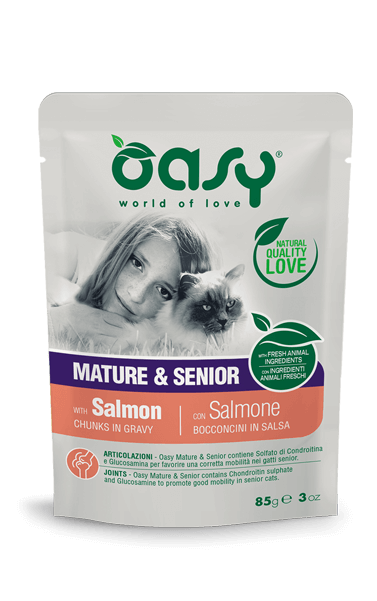
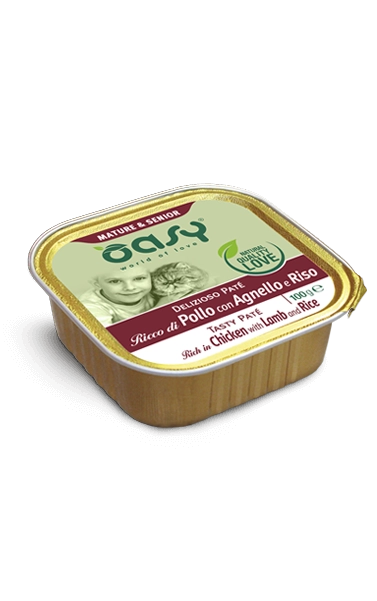
Oasy wet range is available in different textures and formulas, and you can choose from a lot of tasty and nutritious variations.
Quantities, rations and frequency of meals
A
senior cat benefits
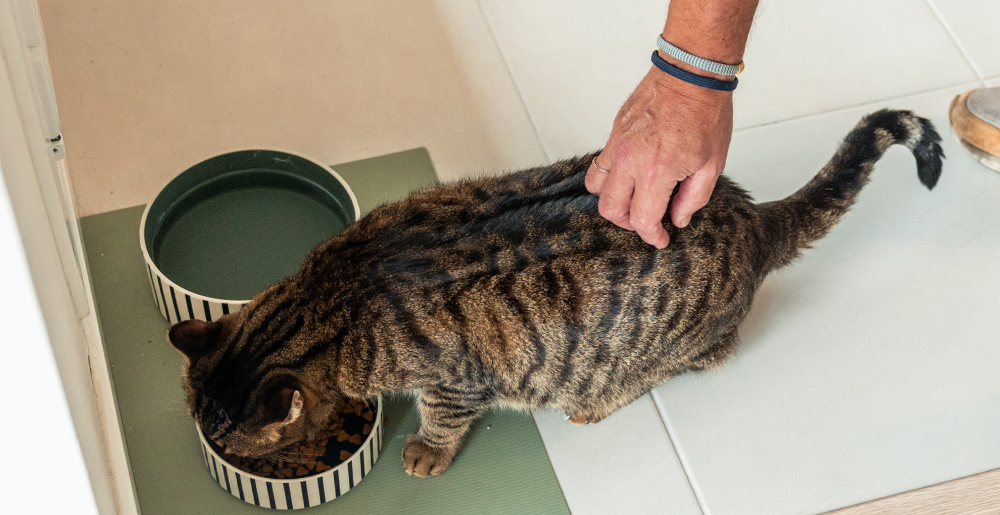
from smaller and more frequent meals, because digestion can be slower. Giving them
small portions during the day
helps their body function better and
keeps their energy level more constant.
Following the nutritional guidelines you find on the pack is always useful, but it is equally important to observe cat’s daily behaviour, as the aging process can have a different rhythm for each cat.
Nutrition for sterilized senior cats: more attention to weight
Sterilized senior cats tend to
gain weight more easily, because together with metabolism slowing down, there are also the many other changes that occur after sterilization.
A
specific diet helps control their weight and protect the urinary tract. To know more about this topic,
our guide to nutrition for sterilized cats can be useful.
What to avoid in senior cat’s nutrition
Prevention is key, and it also starts with knowing which foods you shouldn’t feed your cat. In our article on
the 10 foods you should never feed your cat (and what to offer instead) we have explained why chocolate, raisins, excessively salty food and much more are never a good idea for our four-legged friend.
Finally,
pay attention to quantities.
Controlling rations is just as
important as choosing the right kind of food. Because of metabolism slowing down, senior cats tend to eat less and to require less calories. If a certain
diet is too heavy for them, it can lead to excessive weight gain, while
a diet too poor in calories can weaken their immune system and reduce their energy. Always consult the ration table or ask your vet.
Frequent questions and solutions to common problems
When cats get older, it
is very important to observe some signals such as
appetite,
weight and
their general habits. These are
small clues that can help you understand how they actually are. Two of the most frequent questions are about managing food, as well as the chronic problems that are typical of senior age. Let’s see how to handle these two topics.
What to do and when you need to worry if your senior cat refuses to eat
If
your senior cat starts losing appetite, you should carefully monitor the situation, because even a short fast can condition their energy and metabolism. It doesn’t always signal a problem, because it can also depend on a change in their routine, on a different taste or on a small digestive problem.
If loss of appetite lasts longer than 24 or 48 hours and it is
also accompanied by lethargy, weight loss or
persistent refusal of food, it is important
to consult your vet. While you wait, you can stimulate their appetite by choosing different kinds of wet food, by slightly warming their bowl or changing texture: these small changes might help.
Managing chronic diseases with diet
Many
chronic conditions in senior cats can improve with the right nutrition, especially when kidneys, joints, urinary system or digestion are involved.
With time, these systems become more sensitive, and it is normal that they require more attention. A diet that is carefully studied for their needs can relieve the workload of the more delicate organs and make the symptoms more stable, improving the daily comfort. But in this case as well, it’s important not to improvise: the vet will advise you what to do and monitor progress.
Choosing Oasy to feed your senior cat
Helping your cat enter the senior phase means
choosing complete, digestible and high-quality food, that can support their vitality, joints, kidneys and digestion.
At Oasy, we develop
recipes that are thought for each life stage, with proteins and high-quality ingredients as well as balanced formulas. Our kibble ranges
Original Formula,
Superior Formula and
Grain Free Formula offer solutions that are appropriate for different needs, with the goal of promoting wellbeing and longevity. Our
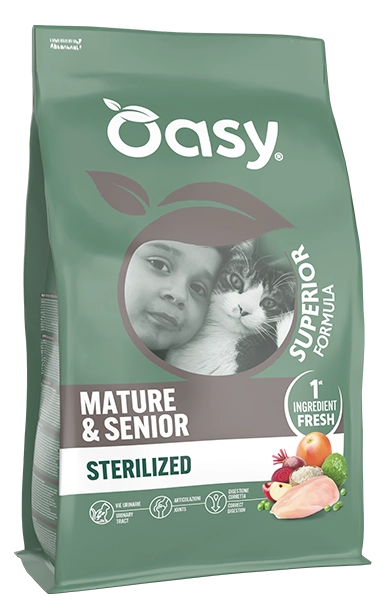
Superior Formula Mature & Senior Sterilized is specifically
thought to support senior cats during this time. Thanks to the specific ingredients it promotes health of urinary tract and contributes to correct mobility, which is fundamental for your senior cat.
Finally, for a tasty variation, our range of
wet food for cats guarantees hydration and essential nutrients.
Would you like to know more? Find out all ranges for cats.
In summary: how to feed your senior cat
Senior cats’ nutritional needs are different from the ones of younger cats, therefore it’s necessary to provide them with the right food to support their health in a complete way. Proteins, essential fatty acids, fibres, vitamins and minerals are the main nutrients that your cat needs every day.
Moreover, don’t forget the importance of
quantities. Less calories but high quality to avoid the risk of weight gain and maintain the ideal weight of your senior cat.
The key is finding the right balance: the right quantity of calories, the quality of nutrients, a targeted nutrition that can respond to your cat’s body changes.
Feeding them in a balanced way is an act of love that will make a difference in their life, improving quality and allowing them to enjoy many more years by your side.







 websolute