

When the hottest days come, a dog’s routine changes. Walks become shorter, water should be checked more often, and naps in shaded spots become a precious help. Hot weather can be difficult for dogs to bear, especially if temperatures increase quickly or if the weather is very humid.
Knowing how to cool down our furry friends in the right way helps protect them, prevent difficult situations and enjoy the summer season. All we need is some shade, fresh water, appropriate hours of the day and some daily attention. However, we also need to know what to do and what to avoid, because not every remedy, especially if improvised, can be useful.
In this guide we will see why dogs don’t tolerate hot weather, how to help them cool down, where to wet them, which signals to look for and how to support their hydration even through diet.
Dogs suffer in the heat just like we do, but their organism has a different way to dissipate heat. Our bodies can regulate temperature through sweating: when we sweat, the evaporation of sweat on our skin helps cool our body down. Dogs, on the other hand, have sweat glands just in some body areas. On their paw pads for example. But this mechanism is not enough to lower the temperatures on the hottest days.
The main way that dogs use to cool down is panting. When they pant, they breathe more quickly, promoting the evaporation of moisture from their airways and tongue. This is a natural system, but it has some limits: if air is particularly hot, the humidity levels are high, or if the dog is exercising, dissipating heat can be harder.
Their coat plays an important role too: it helps protect the skin from the sun rays and isolates the body from temperature swings. This is why, in summer, it’s important to take care of their coat and avoid drastic solutions that aren’t recommended by an expert.
Moreover, the relationship between dog and heat depends on many factors: age, size, breed, weight, health, coat type and activity level. A young and trained dog can tolerate a walk early in the morning, while a senior dog, an overweight dog or one with breathing difficulties, can get tired even with apparently mild temperatures. That’s why we must observe the subject first, and the weather second. You should consider this aspect even when deciding to go on holidays with your dog. In fact, it would be better to choose cooler periods or places, appropriate times to go out and structures that allow to alternate moments outside, moments to rest and walks in the shade.
When dogs are hot, the first thing to do is to help them lower their body temperature in a safe a gradual way. It’s not necessary to cool them down quickly, start by offering them fresh water, a shaded spot, some rest, and a bit of water (not frozen) in some areas of their body.
Always keep calm when doing this. An overheated dog can be very agitated, panting heavily or looking for cool surfaces to lay down. Avoid stimulating them by playing, running or persistent calling. Their body needs to recharge.
The first useful actions are:
When at home, shade the windows in the hottest hours, ensure good ventilation and set up a fresh spot where your dog can rest. When outside, having some shade is fundamental: a fresh spot in the morning can get exposed to sunlight very quickly.
Avoid directing the water spray to head, snout and ears. Many dogs could get scared. Moreover, water can cause problems for their ears, especially in those subjects at risk. Suddenly submerging your dog is not a good idea, always remember that it must be gradual and respectful.
Outdoor life is fundamental for dogs. However, during summer, it should be carefully planned. Walks should be done in the cooler times of the day: early mornings and evenings are the best choice. Avoid going out in the middle of the day: the sun, the streets and humidity could make even a short walk very hard and wearying.
Before leaving, always test the ground’s temperature by laying your hand on it for a few seconds. If it’s too hot for you, it will be too hot for your dog’s paws as well. Sidewalks, sand, stone and dark floors can reach very high temperatures and cause discomfort and irritate their skin.
While walking, choose shaded and brief routes and green areas. Always bring water with you and make frequent stops, especially if your dog is panting or wants to slow down.
Finally, moments of fun and play with your dog should be adapted to the hot season too. Running, playing fetch and other intense activities can cause their body temperature to rise. Choose moderate activities indoors and during cool moments of the day.
If you notice one or more of these symptoms, move your dog to a cool place and contact your veterinarian immediately. Don’t wait for them to be over, especially if your dog is elderly, brachycephalic, a puppy, overweight or has known medical conditions. In these cases, acting quickly can make a difference.
Some dogs are more sensitive to hot weather than others. Brachycephalic dogs, for example. Because of their flat faces and more constricted airways, it’s harder for them to cool down easily by panting. For these breeds, even temperatures that aren’t extreme can be challenging.
The same is for senior dogs: with age, their ability to adapt to temperature swings can decrease, especially with health issues. You should be careful with puppies as well: their organism is still developing, and they have a reduced ability to self-regulate. They need short walks, shade and constant hydration.
Large and extra-large breeds can build up more heat while moving, while overweight dogs get tired easily. Dogs with dark or thick coats can suffer more from exposure to sunlight.
This doesn’t mean that dogs can’t go out or enjoy the summer. But hours, activities and breaks should be managed with care. In case of doubts, consulting your vet can help you find your own solutions and precautions.
Hydration is fundamental in every season for our dogs, but during summer, it becomes a crucial aspect. Digestion, energy, skin and daily vitality all depend on the correct fluid intake, especially when they don’t drink much or have a diet based on dry food.
The first rule is very simple: clean, fresh water available always. The water bowl should be checked and changed often. You should bring a portable bowl with you during walks and travels. Some dogs drink more happily if the water is freshly changed, or if their bowl is placed in a quiet spot in the house.
Mixed feeding can also be helpful for their daily hydration. Adding quality wet food to their diet, always respecting our dog’s real needs, can help increase the water intake, stimulate their appetite and make their meals tastier. Wet food can be an ally even for the pickiest dogs, senior dogs or those that don’t drink enough.
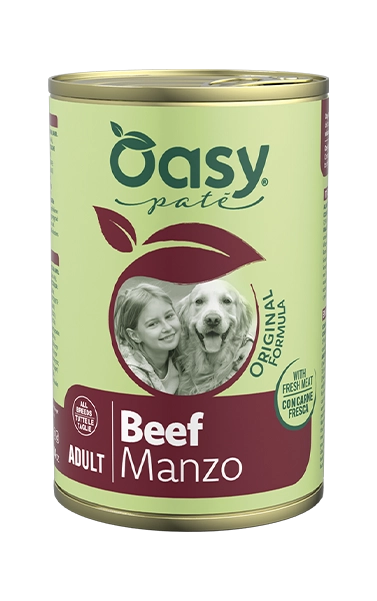
Original Formula Patés, for example, are a complete wet food for your dog’s daily diet. They are prepared with carefully selected ingredients, have a soft texture and provide a balanced nutrition, satisfying the natural needs of your four-legged friends.
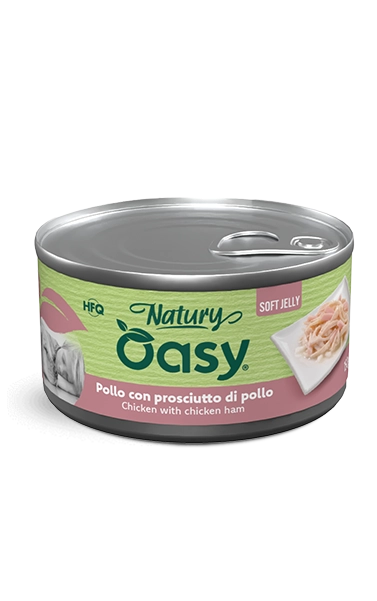
Natury range is a good choice as well. Natural delicacies formulated to satisfy your dog’s palate and support their daily hydration.
Every nutritional choice should be a balanced addition to their routine. If your dog is mostly used to dry food, you should integrate wet food gradually, respecting doses, nutritional needs and the guidelines written on the label or suggested by your vet. Love is nurtured every day even through simple attentions, conscious choices and a routine that can support our dogs in every season.
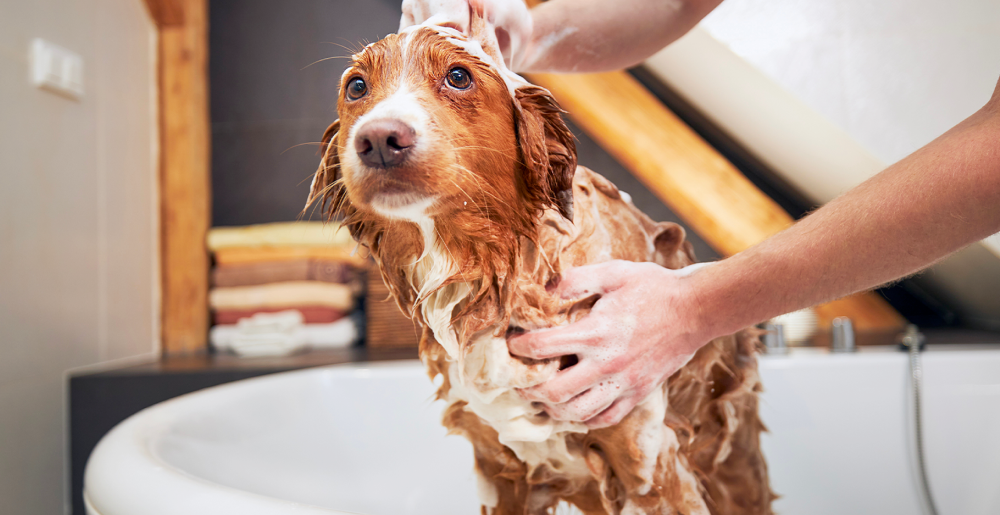
Yes, you can do that if they’re feeling hot, but you shouldn’t use excessively cold water. The aim is to cool them down without causing sudden temperature changes. Therefore, avoid strong jets of water, very cold water and sudden dips, especially if your dog is overheated or agitated.
A dog that is suffering the heat can pant heavily and for a long time, appear weak, agitated, disoriented or very fatigued. Other signs to look for are gums of unusual colors, tremors, vomiting, diarrhea or difficulty in walking. If you notice one or more of these symptoms, move your dog to a cool place and contact your veterinarian immediately.
First of all, we should clarify this: shaving means getting rid of their coat almost completely, leaving their skin exposed to sunlight. You should do it only if recommended by an expert, such as a vet or a professional groomer.
Grooming, on the other hand, is different. It refers to shortening and trimming the coat, and it can be done in summer as well, but only if it’s appropriate for the type of coat and for your dog. In case of doubts, it’s always better to ask for the advice of a professional groomer, avoiding drastic DIY solutions. Baths can help you keep their skin and coat in good condition during summer, especially after days at the beach, exposed to sand and salt. However, you must be careful not to alter their natural skin balance. To know more about this topic, read our article on how to wash your dog.






 websolute