

What’s better than taking a break from your daily routine, finding new places and trying new experiences? Doing all of this with your dog, your best and most loyal partner in your daily adventures, that can make even the simplest trip something special. Going on holiday together is possible, but it requires attention, organization and awareness for what their needs are.
In this guide we collect all the useful tips to arrange your holiday with your dog , from choosing the best destination to the necessary documents, from their nutrition to the management of their routine away from home.
Before you think of going on holiday with the dog, the most important question is also the easiest one: is the trip you planned really appropriate for your dog?
Choosing a pet friendly hotel is not enough, the holiday should be a positive experience for your dog as well, not just a convenient solution to bring them with you.
Therefore, you should carefully consider their age, health condition, character, travel habits, weather conditions and trip duration.
A young and curious dog could live this experience with a lot of enthusiasm. A senior dog not used to a lot of changes could struggle more.
Their temper is also extremely important. A friendly dog can adapt to having people around, exploring new places or being in more lively environments. Dogs that are particularly sensitive to noise, to strangers or to other animals, could find it more difficult to stay in crowded beaches or cities or endure long trips on a train. In these cases, it’s important to choose more peaceful destinations and more quiet places for them.
The climate is another important aspect. Intense heat can be risky, especially for senior dogs, overweight dogs or brachycephalic breeds.
Before leaving, especially in case of diseases, senior age or specific needs, it’s recommended to consult your vet. The opinion of a professional can help you figure out whether your trip is appropriate, which precautions you should take and what you should bring with you in case of emergencies.
Choosing where to go on vacation with your dog means finding a balance between what you would prefer, which season you are in and your dog’s wellbeing. Sea, mountains, lake, city or countryside can all be perfect ideas, but each one has advantages and disadvantages to consider.
The seaside is one of the most preferred destinations, but not always the easiest one. Dog friendly beaches offer dedicated areas, regulated access and specific services for dogs and their humans. However, the scorching sand, bright sun, overcrowding and excessive noises can be hard to handle. It’s better to choose the cooler times of the year and of the day, as well as places that allow you to alternate between the beach and some resting area in the shade.
The mountains are ideal for those who love going on walks and look for cooler temperatures. Trails, woods and open spaces can be very fun for dogs, but not every route is appropriate for every age or physical condition. Elevation changes, uneven terrain, wildlife, and sudden changes in weather require caution. To find out more, see our article with more tips on going mountain hiking with your dog.
Lakes can be a good compromise between relaxation and nature. You can walk, rest in shaded areas and have a slower rhythm compared to crowded beaches. In this case as well, you should check the rules for beach access, the safety of swimming areas and the availability of green spaces.
Art cities are perfect if you want to visit museums, historical and cultural places, but they aren’t always the best idea for dogs. Hot floors, traffic, crowds and limited access to dogs can make the day very hard. They work better during the off season, with shorter itineraries, frequent breaks and centrally located hotels where you can return easily.
Finally, the countryside is often a really good choice: slow rhythm, nature and open spaces can help dogs relax. What you must be careful of are fences, farm animals, insects, foxtails or trails that aren’t always lit or monitored.
A pet friendly accommodation doesn’t just “accept dogs”, they welcome them with clear rules, appropriate spaces and services that can meet their needs. Before you book, it’s important that you carefully read their policy. If something isn’t clear, you can contact the hotel to check if they have limits on size, number of dogs allowed for each room, or specific rules for shared areas. Knowing beforehand what is allowed avoids misunderstandings and lets you plan your days in a better way.
You should also check if there are green spaces nearby, walking paths, shaded and safe areas. If you are travelling to the seaside, ask for information about the beaches and the open time slots. If you choose holiday farms or a vacation home, check the fences, the presence of other animals and the distance from busy roads.
The presence of a nearby veterinary is often undervalued. Having a clinic that you can reach quickly can make you feel safer, especially if your dog has specific needs or if you plan on staying for several days.
Before leaving for a vacation with your dog, always check your documents and the rules of the destination you’re headed to. In Italy, dogs must be microchipped and registered to the dog registry. An updated health card is fundamental to have all the information regarding vaccines, treatments and health condition.
If you are planning to go abroad, in most cases you need a European passport for pets, issued by the vet. This document contains identifying information, microchip and valid rabies vaccination. Some countries can request further treatments or specific timing between vaccination and the entry, therefore it’s important to look for information in advance, always in official and updated sources.
Local rules could change as well. Cities, beaches, natural parks, public transport and accommodations may require leashes, muzzles, permitted access and the collection of dejections. Always bringing a leash, hygienic bags and muzzle with you is a responsible choice.
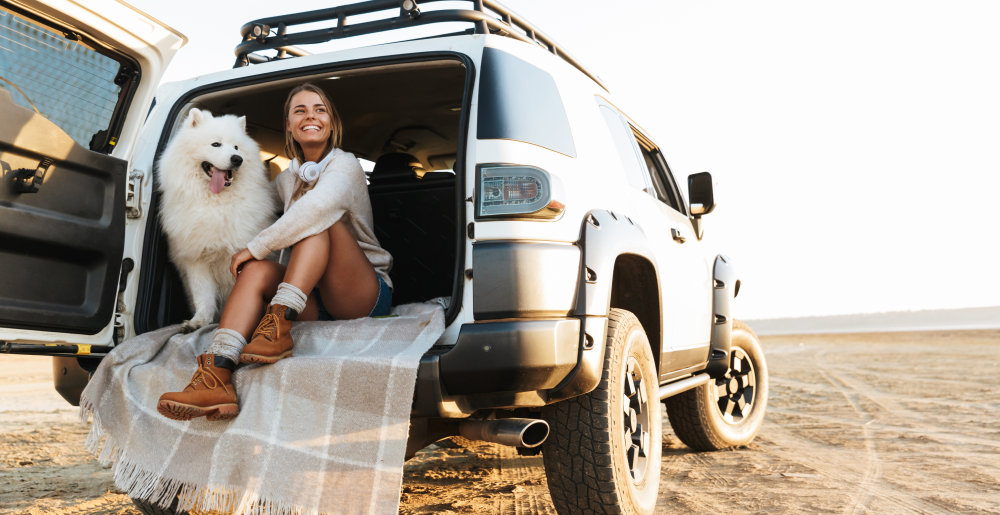
The mode of transport you choose can influence your dog’s wellbeing during your holiday. The car is often the most flexible option: you can make regular stops and manage your time as you prefer. Dogs must travel safely in accordance with the regulations, using a kennel, a specific seatbelt or a separate compartment with a divider. Before you leave, you should help them get used to travelling by car, especially if they don’t do it often.
Find out more tips on our article Travelling by car with your dog.
Train can be a good choice as well, especially for shorter trips, but it requires more planning. Each company has their own rules about sizes, dog carriers, leash, muzzle and ticket. If your dog is particularly sensitive to noise or crowds, choosing quieter hours to travel and bringing a familiar object can make the environment safer for them.
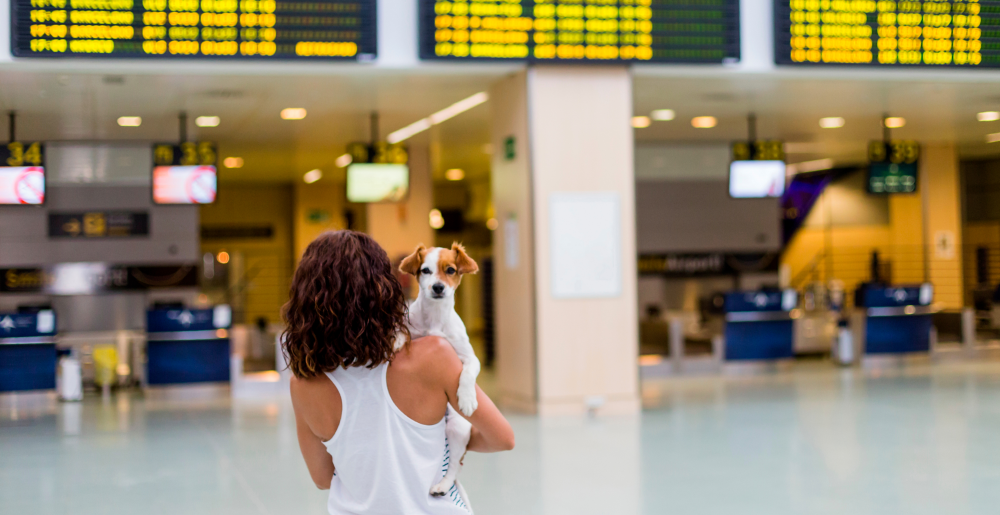
Plane should be evaluated more carefully. Even though the Italian Civil Aviation Authority has updated their rules regarding animal transportation on planes and has made it easier to travel with a dog, not every dog may enjoy the flight. The rules also change depending on which company you choose (we talked about it in our article Flying with Your Dog: Everything You Need to Know). The most important thing to keep in mind is to ask for all information you may need and to consult the airline. If your dog is elderly, brachycephalic, has a heart condition, or is particularly anxious, ask your veterinarian for advice.
The ferry can be a good solution to reach islands or coastal destinations, but it requires some verification as well: some companies provide designated cabins, dog areas or specific spaces where they can stay. Bring water, absorbent floor mats if necessary, leash and anything that can make the wait more peaceful.
When you are planning a vacation with your dog, preparing a checklist can make you feel safer and help you not to forget anything important. Here’s what you need:
When on vacation, keeping their habitual eating routine is one of the most important attentions. Travelling is already challenging for dogs: new smells, new places, people, rhythms and different climates. Maintaining the same mealtimes and the same food can help our four-legged friend feel safer and reduces the risk of gastrointestinal issues.
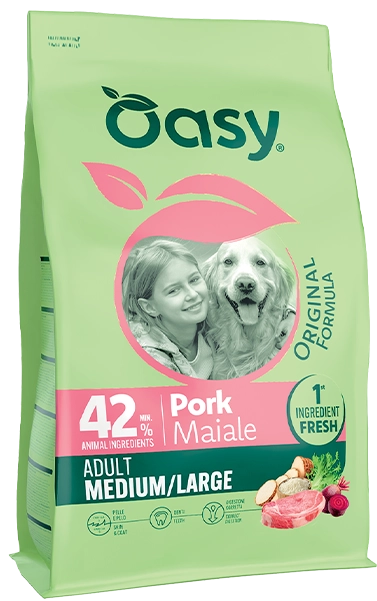
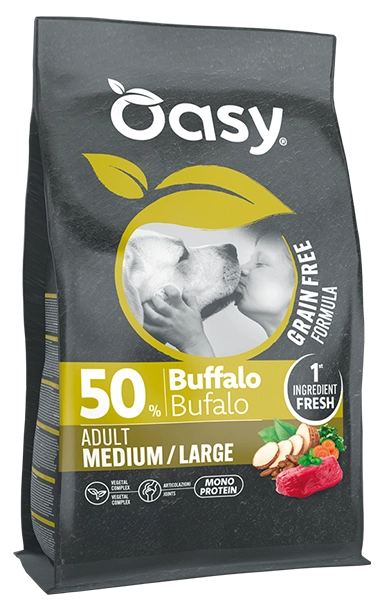
Bring enough of their favorite food, especially if they are used to a specific product such as monoprotein dry food.
Water is another important aspect. It should always be available, fresh and clean, especially in summer or during long walks. Foldable bowls or a water bottle for dogs are practical solutions.
Routine is not just about food. Walking, resting and playing should always have a familiar order. You don’t need to replicate their exact life at home, but offer stable points: the same rituals, their blanket, the time for resting after eating. These are small habits that increase their trust and wellbeing, day after day.
If you plan on going on holiday with your dog during summer, you should take a few extra precautions:
It’s better to start a few weeks earlier, especially if the dog isn’t used to travelling. Taking them on short trips to new places, getting used to carriers and seatbelts can all help you understand their reaction, for a more peaceful experience. For puppies, senior dogs or dogs with pathologies, it is fundamental to consult your vet first.
A temporary loss of appetite can be caused by travel, heat, fatigue or a new environment. Feed them their usual food at the same hours and in a calm spot, without forcing them. If they don’t eat for more than one day or symptoms such as vomiting, diarrhea or apathy appear, you should contact a veterinarian.
It could be from stress, change of routine, the long trip or a not familiar environment. Take them on a walk at the same hour you normally do it at home and choose a quiet area, don’t force them and don’t get nervous. If they don’t urinate for many hours, are in pain and it lasts for more than 24-48 hours, you should contact a veterinarian.






 websolute