

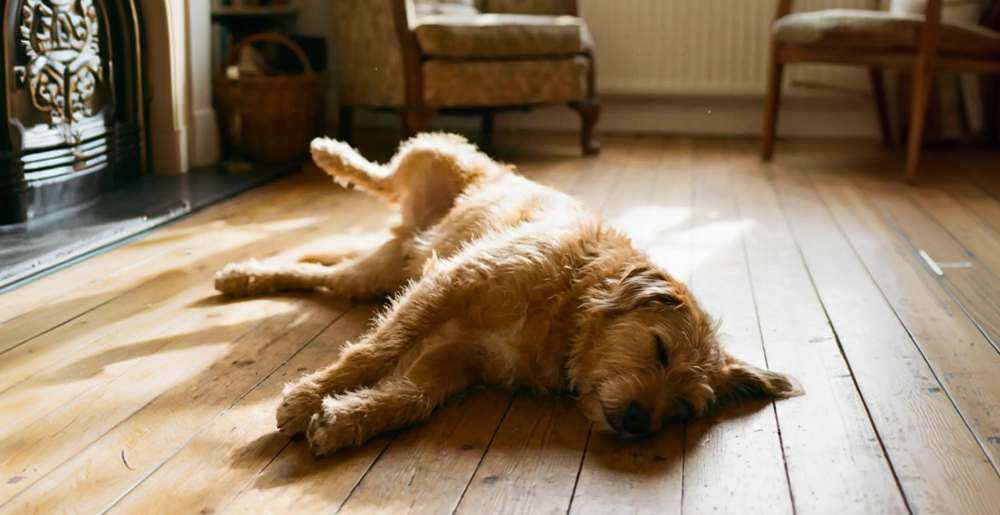
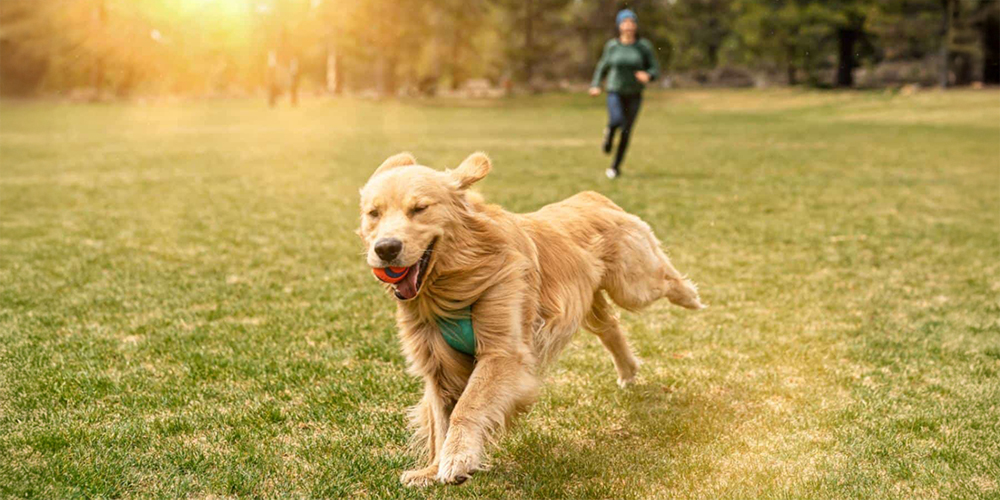
Some dogs can’t wait to go out for walks to run, explore and let all their energy out, while others prefer a more relaxed routine. There are also dogs that, with time, start sleeping more and moving less, showing less interest in activities that they used to look forward to, such as playing or going out for walks.
A dog can be “lazy” for different reasons: in some cases, it’s simply a matter of nature, while in others, it can depend on a routine change, lack of stimulation, some extra weight or a physical discomfort. Finding out what’s behind this apparent “laziness” is the first step to help them in the right way.
Dogs that are calm by nature will keep a coherent behavior over time. They might be quiet, sleep more and prefer moderate activities, but still show interest in playing and being outside.
Cases of sudden lethargy are quite different. When there’s a sudden change and they start sleeping more than they used to, they struggle to get up, refuse activities they once enjoyed and look dull, it’s important not to consider all these signals as simple “laziness”. This kind of change deserves attention, especially if it happens together with loss of appetite, weight loss or weight gain.
Observing with attention can be a good help. In case of doubts or evident signs such as less movement and less participation in daily activities, it is also important to ask your vet for advice.
When a dog starts being “lazy”, there may be different reasons. Sometimes it’s just boredom and the need for more appropriate activities, sometimes it can be due to weight gain. However, sometimes a reduced desire to move can be a signal of a physical discomfort that shouldn’t be underestimated. Let’s find out the most common reasons for lack of physical activity.
Many dogs are not active simply because their daily routine lacks stimulation. Always taking the same walk, spending little time outdoors and not playing can make them less curious and active. It’s a natural response to an environment that doesn’t provide them with enough stimulation and exploration. Dogs need to sniff, observe, play and be engaged in activities. When this is lacking, they might fall into a sort of passivity. In other cases, it might also be due to a low mood, especially if “laziness” coincides with major changes, such as long periods of loneliness, a house change, the loss of a pet friend or a sudden reduction of shared activities.
What should you do if your dog seems “lazy”? The solution is not to suddenly force them with activities or intense walks but simply suggesting new things that can be matched with their characteristics. The goal is to help them find pleasure in moving. Here’s how.
Mind activation is a precious tool, especially for dogs that seem lazy or unresponsive. Stimulating their mind helps to increase their interest, trust and engagement, and this is often how the desire to move starts again.
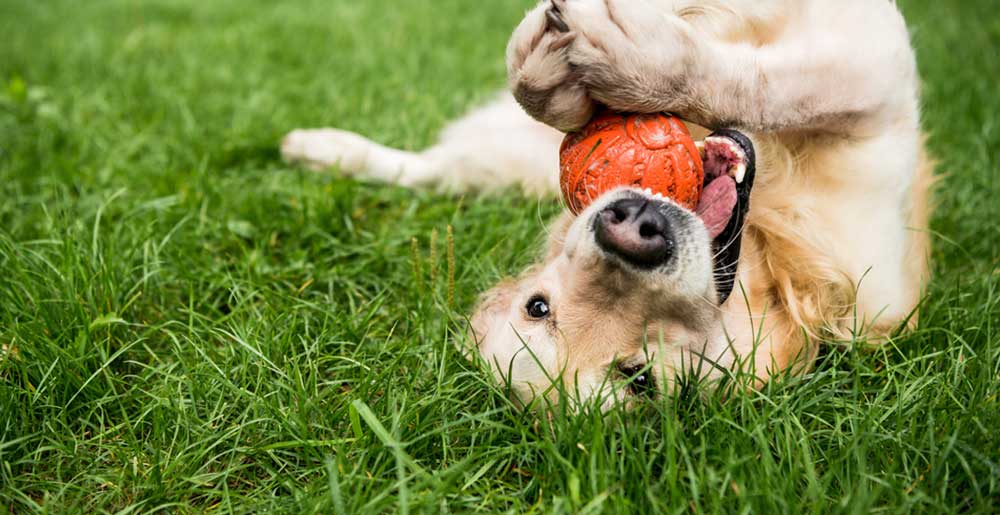
Playing for dogs is extremely important: it’s not just a pastime, but a fundamental part of their daily wellbeing. While playing, dogs release their energy, learn new things, strengthen the relation with their humans and feel more satisfied. Playing, for dogs, is almost always a signal that they’re happy and active.
Simple activities are good as well. For example, hiding some kibbles or treats and asking your dog to find them. What’s important is that the experience is positive and satisfying and not too long. A few good minutes are much better than a longer and frustrating session.
Dogs usually get more involved in playing when they perceive the participation of their humans. They need to feel that you are sharing that moment together.
Don’t use your phone when you are out with your four-legged friend and play or exercise with them instead. Simple routines like walking at varying paces, short courses with small obstacles and other activities to do side by side.
On the one hand, the dog will feel more motivated, on the other hand, you will be able to observe them and understand what they like and what activates them.
When a dog is not very active, nutrition becomes even more important. If the energy intake is not adequate to the real physical activity level, it can lead to a weight increase which could start the vicious cycle that we described above.
That’s why managing weight can’t just depend on physical activity. A balanced and tailored diet is also necessary, based on lifestyle, age and specifical needs or conditions, such as being sterilized.
A sterilized adult dog that is not very active will have different needs from a highly dynamic dog. In these cases, it could be useful to choose specific products such as Oasy Monoprotein Formula Adult Light in Fat Sterilized Salmon, a complete dry food for sterilized and less active adult dogs. This recipe supports dogs’ daily wellbeing and helps them reach and maintain the target weight.
Feeding them the right amount is important too, that’s why you should always check the feeding recommendations on the packaging. You can find more information about kibbles amount in our guide "What’s the right kibble amount to feed your dog? A guide to calculating portions”.
Rather than lazy, it would be more correct to talk about generally calmer breeds. Dogs such as Bulldogs, Pugs, Basset Hounds, Chow Chows or St. Bernards are quieter and calmer by nature and have a slower rhythm.
Breeds with calm disposition or with a heavier physical structure could appear less active than others, but this doesn’t mean they don’t need daily movement and stimulation.
Even a dog that’s considered calm can be curious and eager to play or engage in activities. Conversely, a naturally energic dog could become sedentary without the right stimulation during the day.
A simply tired dog will recover with time, and after a break, go back to normal. For example, if after a particularly intense or hot day your dog sleeps more, it can be completely normal.
In case of discomforts or problems, the changes are more obvious: they look dull, unresponsive, or avoid movement even in situations that would normally be exciting.
If this behaviour continues for a longer period, appears without a precise cause or is accompanied by other symptoms such as loss of appetite, shortness of breath, tremor, stiffness, vomit or diarrhea, then it shouldn’t absolutely be overlooked.
You’re the only one who can notice if something is not right. When doubts remain or are confirmed by other signs, the safest option is always consulting your vet.








 websolute